Lesson 4: Getting to Grips with Jerseys & Pennants

Old fabrics carry the most memories and need the softest touch. This lesson is all about slowing down.

Begin Step One
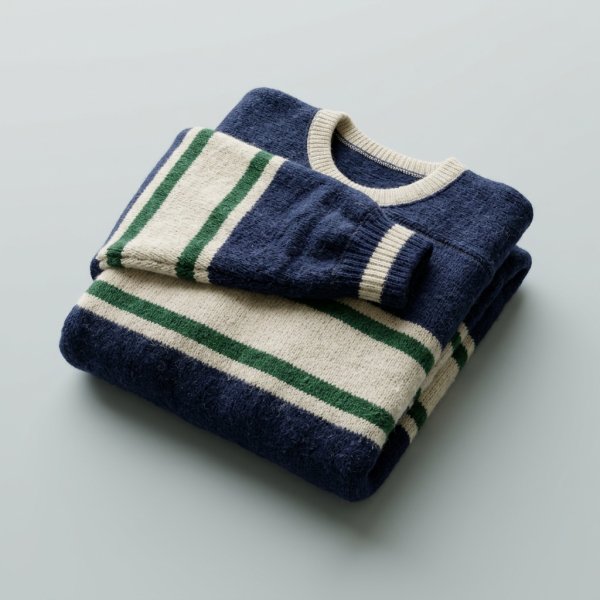
Soft-lit 3D render of a folded vintage wool team jersey on a pale grey background

Find Out What It Is Made Of

Every decision in textile care depends on fiber. Older baseball uniforms are often wool flannel. Football and hockey jerseys from the 1970s onward are commonly nylon or polyester knits. College pennants are typically felt, made from wool or a wool blend, with glued or stitched lettering. Cotton shows up in t-shirts and practice gear.

Check for a care label or maker's tag. Throwback specialists like Mitchell & Ness label their reproductions clearly, which helps you tell an original from a later remake. With no label, feel the fabric: wool is springy and slightly warm, synthetics are smooth and cool, felt is dense and non-woven. When unsure, treat it as the most delicate option.

Test the Colors First

Bright team colors can bleed, especially reds and navies on older pieces, and twill numbers or felt letters may run into white fabric. To test, dampen a white cotton swab with cool water and press it gently on a hidden area of each color, including appliqués. Hold for a few seconds. If any color transfers, do not wash the item in water; a surface clean or a professional textile conservator is the safer route.

Also check for weak spots: moth holes, brittle silk-screened prints and glue that has yellowed under lettering. Photograph everything, just as you did in earlier lessons.

Wash Cool, Slow and by Hand

If the colors held, fill a clean basin with cool water and a small amount of gentle, dye-free detergent; for wool, choose a wool-specific wash. Lay the item flat in the water, support it with your hands and press gently. Do not rub, wring or twist. Let it soak for about fifteen minutes, then drain and rinse with fresh cool water until no suds remain.

Avoid chlorine bleach entirely; it weakens fibers and yellows many synthetics. For stubborn stains, an oxygen-based cleaner diluted well and spot-tested can help on cotton and polyester, but never on wool or felt. Felt pennants are best not washed at all: dust them with a soft brush or low-suction vacuum through a piece of nylon screening.

Dry Flat and Shape Gently

Lift the wet item with both hands, supporting all of it, and roll it in a clean white towel to absorb water. Then lay it flat on a dry towel or mesh rack, ease it into shape and smooth the collar and sleeves. Dry away from direct sun and heaters.

Skip the tumble dryer. Heat can shrink wool, crack printed numbers and melt the adhesive under twill letters. If creases remain, use a cool iron through a pressing cloth on the reverse side, only on fabrics that tolerate it, never directly on prints or appliqués.

Store It So It Lasts

Storage is where long-term care really happens. Fold jerseys with acid-free tissue paper padding the folds, and store them in a breathable cotton bag or acid-free box. If you prefer hanging, use a wide padded hanger; thin wire hangers distort shoulders over time. Roll pennants around an acid-free tube rather than folding them.

Keep everything in a cool, dark, dry room, and check a few times a year for moths. Framing for display? Ask for UV-filtering glazing and acid-free mounts. The Canadian Conservation Institute publishes free notes on textile care if you would like to go deeper. You have now completed all four lessons. Revisit Lesson 1 any time, or ask your guides a question.